
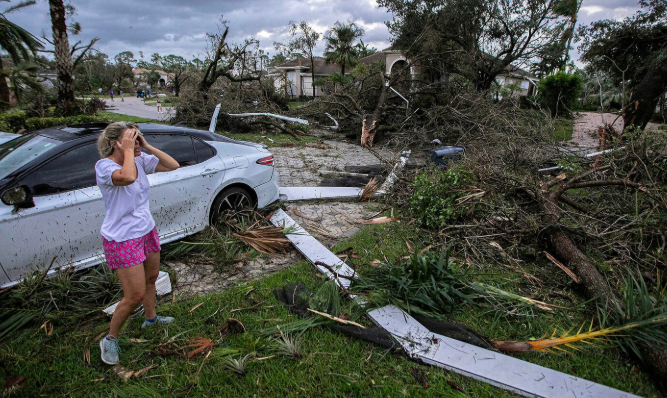
For its homeowners and businesspeople, hurricanes always bring with them the risk of damage. But somehow, when two or more storms strike in succession, things begin to complicate, especially as they pertain to insurance claims. Back-to-back hurricanes may put even the most prepared policies to the test, delay repairs, and raise some serious questions of coverage, deductibles, and timelines.
In this guide, we will talk about the effect of consecutive storms on property claims in Florida and what you should do to protect your rights and maximize the recovery of your loss.
The Unique Challenge of Consecutive Storms
When the hurricane hits, you make your claim, come out to see the damage, and start doing the repairs. But a second storm comes in before those repairs are even complete or before the first claim is processed?
In such cases, the insurance companies would:
- Dispute over which storm caused which damage.
- Apply separate hurricane deductibles for each storm.
- Delay payment or reduce coverage based on overlapping damage.
- Require more detailed documentation and inspections.
Such scenarios add to the confusion, frustration, and delay—especially for property owners who are dealing with disrupted operations or unsafe living conditions at the same time.
Proving Which Storm Caused the Damage
Insurers may begin attempting to switch and place portions of blame on other storms, denying portions of your claim, all because they find the evidence of your subsequent storm damage is weak.
To protect yourself:
- Photograph and videotape everything after every storm, even if the damage seems inconsequential.
- Save the date on receipts, estimations, and invoices for your repairs or temporary ones.
- Keep a journal of your claim, logging down every conversation, inspection, or event.
- Documentation from an independent inspector after every storm will further insulate against future confusion.
Having every document organized in chronological order with time stamps assists in proving just what storm did what damage, thereby lessening to a great extent the coverage disputes.
How Repairs and Delays Complicate Claims?
The other big issue for back-to-back hurricanes would be timing. Because if you haven’t repaired from the first storm yet, the insurers may claim that your failure to act has contributed to further damage. But repair delays are common during disasters because of labor shortages, supply chain issues, or a backlog of permits.
To avoid a denial of your claim:
- Engage licensed mitigation companies to expedite securing of your property (e.g., tarping roofs, boarding windows).
- Keep track of anything that delayed you and was out of your control, such as the unavailability of contractors or the time waiting for permits.
- Keep all records of communication with contractors and insurance adjusters.
- You must mitigate damages, but this duty is evaluated about what is reasonable in the context.
Final Tips for Handling Back-to-Back Storm Claims
- File separate claims for each storm; they might look interrelated at times.
- All photos and documents should be marked with the date and storm name.
- Consult a public adjuster or attorney if your claim is met with delay, denial, or underpayment by the insurer.
This post was written by Kelly-Ann Jenkins of Jenkins Law P.L. Kelly-Ann is an insurance claim Lawyer. The information on this site is not intended to and does not offer legal advice, legal recommendations, or legal representation on any matter. Hiring an attorney is an important decision that should not be based on advertising. You need to consult an attorney for legal advice regarding your situation.
The information provided on this website does not, and is not intended to, constitute legal advice; all information, content, and materials available on this site are for general informational purposes only. Information on this website may not constitute the most up-to-date legal or other information. This website contains links to other third-party websites. Such links are only for the convenience of the reader, user, or browser; the ABA and its members do not recommend or endorse the contents of the third-party sites.


